The Non-Statin Guide to Healthier Lipids
LDL running high? Use food, movement, fiber, and smart habits to improve lipids without leaning on statins. Here is a clear plan that actually moves the numbers.
LDL gets a lot of attention for a reason. Over time, LDL particles that linger in the bloodstream can slip beneath the artery lining and kick off plaque formation.
Medication can help in high-risk cases, but many people can move the needle with targeted lifestyle changes first.
Below is a straightforward plan that focuses on how LDL is produced, cleared, and modified in your body, then shows you what to change day to day.
What Are Statins?
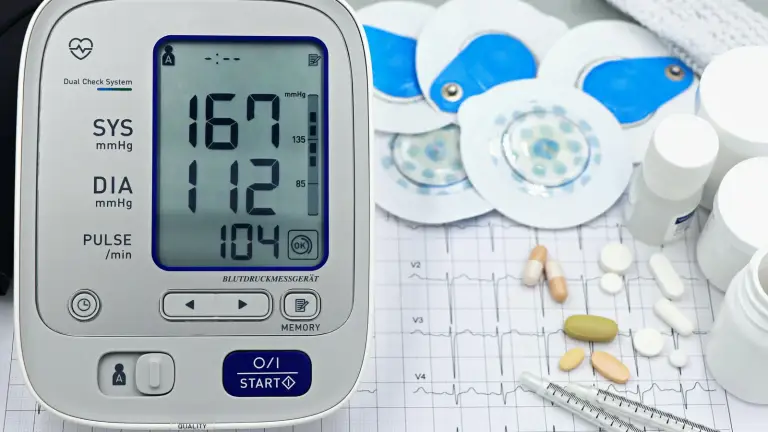
Statins block HMG-CoA reductase, a liver enzyme your body uses to make cholesterol. That lowers LDL in the blood and reduces cardiovascular risk for the right patients.
Common side effects include muscle aches, digestive upset, and rarely liver issues or changes in blood sugar. If you are already on a statin, do not stop it on your own. If you are deciding, it helps to know there are non-drug levers that also lower risk.
Why LDL Rises In The First Place
Think of LDL as a delivery van carrying cholesterol to tissues. You can affect both how many vans you send out and how fast you retrieve them.
-
Production rises with excess calories, refined carbs, and certain fats. The liver turns surplus energy into triglycerides, loads them into VLDL, and those remodel into LDL.
-
Clearance slows when LDL receptors on liver cells are scarce or sluggish. Insulin resistance, low thyroid function, and chronic inflammation can all blunt receptor activity, leaving more LDL in circulation.
-
Particle quality matters. Diet patterns shift LDL toward smaller, denser particles that are more likely to penetrate the artery wall. Rebalancing fats and cutting added sugars can push things in a better direction.
The Non-Statin Toolkit
-
Swap the fats, keep the flavor
Replace butter and fatty cuts with extra virgin olive oil, nuts, seeds, and fish most days. This single change can lower LDL and ApoB while improving the overall lipid pattern.
If you eat dairy, favor fermented low-fat options. Keep industrial trans fats off your plate entirely.
-
Make soluble fiber non-negotiable
Soluble fibers bind bile acids in the gut. Your body then pulls cholesterol from circulation to make more bile, which lowers LDL. Aim for 10 to 15 grams of soluble fiber daily from oats or barley, psyllium husk, beans, lentils, chia, ground flax, apples, and citrus. Psyllium is a simple, proven add-on with meals.
-
Add plant sterols and stanols with purpose
Two grams per day of plant sterols or stanols can lower LDL by reducing intestinal absorption of cholesterol. You can reach this with fortified foods or supplements alongside meals. They work best layered onto a solid diet, not as a shortcut.
-
Tame refined carbs and added sugar
A high-sugar pattern drives liver fat and ramps up VLDL output, which later becomes LDL. Build meals around protein, vegetables, fruit, legumes, and intact grains. Keep sugary drinks, pastries, and ultra-refined snacks for rare occasions.
-
Move more, most days
Brisk walking after meals, resistance training two to three times a week, and regular aerobic work improve insulin sensitivity and lipid handling. The effect compounds with fiber and fat swaps. Even short post-meal walks help.
-
Lose a little, gain a lot
If you carry extra abdominal fat, a 5% to 10% weight loss can meaningfully lower LDL and triglycerides while raising HDL. No crash diets needed. Cut liquid calories, anchor each meal with protein, and bias your plate toward high-fiber plants.
-
Support bile flow and recycling
Your body disposes of cholesterol by turning it into bile acids. You can help this loop by getting enough glycine and taurine from protein sources, eating soluble fiber to limit bile reabsorption, and keeping your bowels regular. The end result is more cholesterol pulled from circulation.
Where Statins Fit
For people with very high LDL, diabetes, or existing cardiovascular disease, statins can be lifesaving. They reduce LDL powerfully and predictably.
Side effects are usually mild, though muscle pain, rare muscle breakdown, liver enzyme changes, and small shifts in blood sugar can occur.
If medication is on the table, the lifestyle steps above still matter and make the medication work better.
Final Word
Lowering LDL without statins is not about a single superfood. It is about shrinking the liver’s output of cholesterol-rich particles, speeding their clearance, and keeping the artery wall calm.
Swap the fats, stack soluble fiber and plant sterols, move daily, and trim refined carbs.
Those small, repeatable choices add up to a real change in your numbers and your long-term risk.