
8 Habits That Heal Your Gut And Restore Balance
Eight practical habits to repair your gut, reduce triggers, and build a resilient microbiome without extremes.
Your gut is not fragile. It is adaptable, trainable, and responsive to what you eat and how you live. When digestion feels off, it is usually a mix of irritated lining, a stressed nervous system, and a starved or imbalanced microbiome.
The fix is rarely a single food or pill. It is a pattern. Here are the eight habits that quietly repair the gut, lower symptoms, and build a durable baseline you can live on.
-
Make whole foods the default
Ultra-processed foods pack refined starches, industrial fats, stabilizers, and sweeteners that your microbes do not love. A mostly whole-food plate gives your gut the raw materials it needs: gentle fibers, minerals, and polyphenols that foster a diverse ecosystem.
A simple guardrail works: if it grew, grazed, or was minimally altered, it belongs on the plate. Mediterranean-leaning patterns consistently map to healthier microbial profiles and lower gut irritation.
-
Choosing the right fiber
Fiber is not one thing. Insoluble roughage can aggravate a flared gut, while soluble fibers like psyllium often soothe and regulate. If you are in a sensitive phase, scale back to gentler fibers and cooked plants, then step back up as symptoms calm.
People with IBS often do best with a structured approach such as a temporary low-FODMAP phase followed by careful reintroduction to expand tolerance again.
-
Feed your microbes prebiotics and polyphenols
Your gut bugs eat what you eat. Prebiotic-rich foods like onions, leeks, asparagus, garlic, green bananas, oats, and legumes provide fermentable fibers that produce short-chain fatty acids, the fuel that repairs the gut lining.
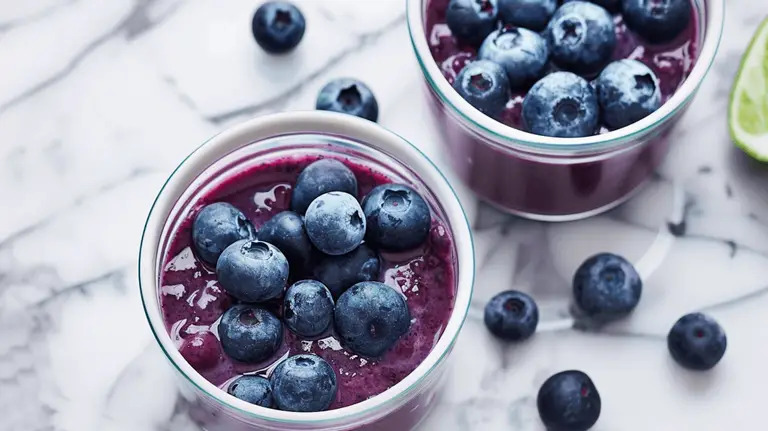
Color matters too. Polyphenol-rich berries, extra virgin olive oil, cocoa, herbs, and spices act like training signals for a diverse microbiome.
-
Eat fermented foods daily, not occasionally
Small, steady doses of live cultures help crowd out troublemakers and improve tolerance. Think plain yogurt, kefir, kimchi, sauerkraut, and miso.
Keep added sugar low and watch labels for stabilizers that may irritate. Regular intake works better than sporadic blasts.
-
Cut back the quiet agitators
Some packaged foods rely on emulsifiers and certain sugar substitutes that can disturb the mucous layer and microbial balance. Alcohol is a double hit, stressing the gut lining and sleep.
Reducing these inputs lowers background inflammation and makes every other habit work better.
-
Space your meals and chew like you mean it
Your migrating motor complex cleans house between meals. Grazing all day turns that system off. Leave 3 to 4 hours between meals, finish dinner a bit earlier, and actually chew.
Slower eating reduces air swallowing and fermentation pressure. Gentle overnight fasting aligns with better microbial rhythms for many people.
-
Train your gut with movement, sleep, and stress control
Your microbiome responds to how you live, not just what you eat. Regular movement increases microbial diversity and improves motility. Consistent sleep calms gut-brain crosstalk. Simple breathworkbefore meals shifts you into rest-and-digest. These are unglamorous levers that compound fast.
-
Use targeted aids when they serve a purpose
Probiotics can help, but strain and timing matter. Soluble fiber is often regulated. With IBS, a time-boxed, structured protocol with reintroduction beats open-ended restriction.
Keep supplements simple and goal-based, and use food as the foundation.
What’s Harming Your Gut Now

-
Mindless snacking and late meals that shut down your cleaning waves and spike reflux.
-
Packaged “health” foods loaded with emulsifiers or sweeteners your microbes dislike.
-
Random probiotic hopping without a plan, which wastes money and rarely fixes the baseline.
-
Under-chewing and speed eating that increase gas and pressure.
-
All-or-nothing fiber approaches. The right dose and type matter more than the total.
Final Word
Gut repair rewards consistency more than perfection. Center most meals on whole foods, pick fibers your gut can handle today, add a daily fermented boost, trim the quiet agitators, and give your system time between meals to do its maintenance.
Layer in movement and sleep and the microbiome follows. Small, steady inputs beat heroic fixes, and they add up fast.