
Low Platelet Symptoms: Causes, Signs & What to Do
Low platelets (thrombocytopenia) impair the body's ability to stop bleeding -- symptoms range from easy bruising at counts below 50,000 to risk of spontaneous intracranial hemorrhage below 10,000. The cause determines urgency: ITP is common and often manageable; TTP and HIT are hematologic emergencies. This page covers the specific symptoms, likely causes, normal ranges, and when to act.
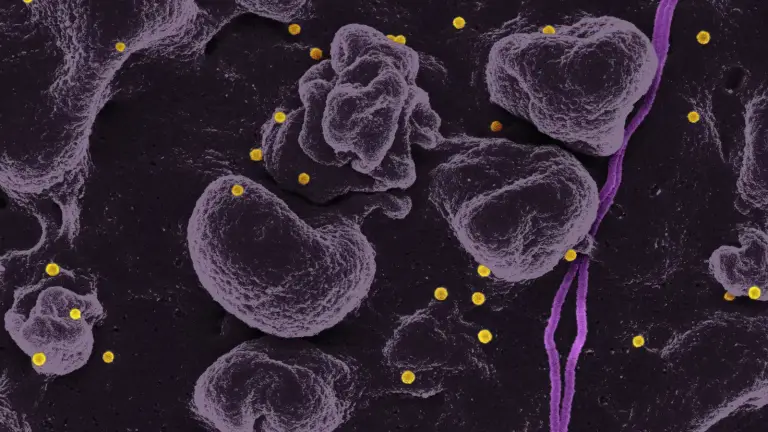
Platelets are the small blood cell fragments that form the initial hemostatic plug when a vessel is injured. Without sufficient platelets, even minor vessel trauma causes bleeding that does not stop normally. Low platelets (thrombocytopenia, below 150,000/µL) arise from three mechanisms: decreased production (bone marrow failure), increased destruction (immune or non-immune), or abnormal distribution (splenic sequestration). The clinical significance depends critically on the count: mild thrombocytopenia (100,000-150,000) is usually clinically silent; severe thrombocytopenia (below 20,000) carries risk of spontaneous life-threatening bleeding. See the Platelet Count biomarker overview for how the test is reported and interpreted.
What Low Platelets Means
The bleeding threshold varies by platelet count:
- Above 100,000: hemostasis is usually adequate for normal activities and minor procedures
- 50,000-100,000: acceptable for most surgical procedures; bleeding time is prolonged
- 20,000-50,000: easy bruising, petechiae; significant bleeding risk with trauma
- 10,000-20,000: risk of spontaneous mucocutaneous bleeding (epistaxis, gum bleeding, GI bleeding)
- Below 10,000: significant risk of spontaneous intracranial hemorrhage; most centers transfuse prophylactically below this threshold
Petechiae (pinpoint non-blanching red dots) and purpura (larger non-blanching patches) are the hallmark skin signs of thrombocytopenia — they represent blood leaking from capillaries through gaps between poorly hemostatic platelets.
Symptoms of Low Platelets
Mild thrombocytopenia (100,000-150,000/µL):
- Usually no symptoms; may notice slightly prolonged bleeding from minor cuts
Moderate thrombocytopenia (20,000-100,000/µL):
- Easy bruising (ecchymosis) from minor trauma — bruises appear disproportionately large
- Petechiae on the legs, ankles, and areas of pressure (waistband, sock lines)
- Prolonged bleeding from cuts and gum bleeding
- Heavy menstrual bleeding in women (menorrhagia)
- Epistaxis (nosebleeds) that are difficult to stop
Severe thrombocytopenia (below 20,000/µL):
- Spontaneous petechiae and purpura across the body
- Mucosal bleeding: blood-filled blisters inside the mouth (“wet purpura”) — a sign of very high bleeding risk
- Spontaneous GI bleeding (dark stools or blood in stool)
- Hematuria (blood in urine)
- Heavy vaginal bleeding
- Risk of spontaneous intracranial hemorrhage (the most feared complication): headache, visual changes, or confusion in a thrombocytopenic patient is a neurological emergency
TTP-specific symptoms (thrombotic thrombocytopenic purpura):
- The classic pentad: thrombocytopenia + microangiopathic hemolytic anemia (MAHA) + neurological symptoms (confusion, seizure, fluctuating deficits) + renal dysfunction + fever
- All five are rarely present simultaneously; thrombocytopenia + MAHA (fragmented RBCs on smear) is enough to trigger urgent plasmapheresis
- TTP must be treated immediately — delay is fatal
HIT-specific features (heparin-induced thrombocytopenia):
- Platelet count typically falls to 40,000-80,000 (rarely below 20,000) — paradoxically THROMBOTIC, not hemorrhagic
- Occurs 5-10 days after starting heparin (or earlier if previously exposed)
- New or extending clots on heparin therapy despite “normal” (falling) platelet count
- All forms of heparin must be stopped immediately
What Causes Low Platelets
Immune destruction (ITP — most common cause in otherwise healthy adults):
- Immune thrombocytopenic purpura (ITP): autoantibodies against platelet GpIIb/IIIa or GpIb cause platelet destruction in the spleen; primary (no cause found) or secondary (SLE, HIV, hepatitis C, CLL, drugs)
- Platelets are destroyed faster than the bone marrow can produce them
- Diagnosis of exclusion: no splenomegaly, no other cytopenias, normal bone marrow
Thrombotic microangiopathy:
- TTP (thrombotic thrombocytopenic purpura): ADAMTS13 deficiency causes accumulation of ultra-large vWF multimers that shear platelets into microthrombi; characterized by MAHA on blood smear (schistocytes)
- HUS (hemolytic uremic syndrome): typically follows Shiga toxin-producing E. coli (STEC O157:H7) in children; renal involvement predominates
- HIT (heparin-induced thrombocytopenia): IgG antibodies against PF4-heparin complexes activate platelets, causing thrombosis; treat with alternative anticoagulants (argatroban, fondaparinux, bivalirudin) — never warfarin initially
Bone marrow failure or suppression:
- Aplastic anemia: all three cell lines fail; pancytopenia
- Myelodysplastic syndrome (MDS): dysplastic megakaryocytes produce too few platelets; found primarily in older adults
- Leukemia: neoplastic cells crowd out megakaryocytes
- Chemotherapy and radiation: bone marrow suppression
Drug-induced:
- Chemotherapy agents (cytotoxic)
- Valproic acid (sodium valproate): idiosyncratic suppression of megakaryocytes
- Quinine and quinidine: immune-mediated platelet destruction
- Abciximab and other GPIIb/IIIa inhibitors: acute profound thrombocytopenia
Hypersplenism:
- Cirrhosis and portal hypertension: spleen enlarges and sequesters 60-90% of the platelet pool (normally 30%); platelet count typically 40,000-100,000
- Any cause of massive splenomegaly (lymphoma, myelofibrosis, malaria)
Viral:
- HIV: multiple mechanisms (direct megakaryocyte suppression, ITP, hypersplenism)
- EBV (infectious mononucleosis): transient thrombocytopenia during acute infection
- Hepatitis C: thrombocytopenia from hypersplenism + direct marrow suppression + ITP
Normal Platelet Levels
| Category | Count (cells/µL) |
|---|---|
| Normal (adults) | 150,000-450,000 |
| Mild thrombocytopenia | 100,000-150,000 |
| Moderate thrombocytopenia | 50,000-100,000 |
| Severe thrombocytopenia | 20,000-50,000 |
| Critical (bleeding emergency risk) | Below 20,000 |
When to See Your Care Team
Book a 1:1 consultation with a licensed care team lead for any platelet count below 100,000/µL. Platelet count below 50,000 with petechiae, active bleeding, or concerning drug exposure (heparin, quinine) requires urgent same-day evaluation. Count below 20,000 with symptoms, or below 10,000 regardless of symptoms, is a medical emergency — go to an emergency department.
Frequently Asked Questions
What is the difference between ITP and TTP?
ITP (immune thrombocytopenic purpura) is a condition of isolated low platelets due to autoimmune destruction — red blood cells are normal, the patient is not acutely ill, and bleeding (not clotting) is the risk. TTP (thrombotic thrombocytopenic purpura) is a life-threatening emergency characterized by microangiopathic hemolytic anemia (broken red blood cell fragments — schistocytes — on blood smear) plus thrombocytopenia, caused by ADAMTS13 deficiency. TTP requires emergency plasmapheresis; ITP does not. The blood smear is the key distinguishing test.
Why does heparin cause a paradoxical thrombosis despite low platelets?
In HIT, the problem is not simply platelet destruction — it is platelet activation. Anti-PF4/heparin IgG antibodies bind to platelet surface FcgammaRIIA receptors, activating platelets into a highly procoagulant state. These activated platelets form microthrombi that consume more platelets (causing the low count) while simultaneously generating massive thrombin (causing clotting). This is why HIT is one of the few conditions where both low platelets AND thrombosis occur simultaneously.
When are platelet transfusions needed?
Platelet transfusions are indicated: prophylactically for counts below 10,000/µL (or below 50,000 before surgery), and therapeutically for active bleeding from thrombocytopenia. However, platelet transfusions are CONTRAINDICATED in TTP and HIT — in both conditions, transfusing platelets adds more fuel to the pathological process and promotes further thrombus formation.
Can low platelets be caused by lab error?
Yes — EDTA-induced pseudothrombocytopenia is a well-documented artifact where EDTA (the anticoagulant in routine blood collection tubes) causes platelet clumping in certain individuals, making the automated counter undercount platelets. If thrombocytopenia is found unexpectedly in a patient with no bleeding symptoms, the test should be repeated using a citrate tube or examined manually on a blood smear to confirm whether it is a real low count.