
High MCH Symptoms: Causes, Signs & What to Do
High MCH means each red blood cell contains more hemoglobin than normal -- almost always because the cells are larger than usual (macrocytes). It nearly always points to vitamin B12 deficiency, folate deficiency, or alcohol. This page covers the specific symptoms, likely causes, normal ranges, and when to act.
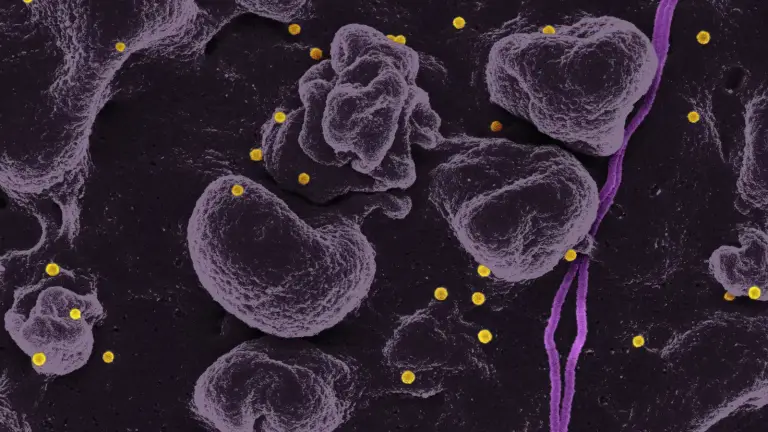
MCH (mean corpuscular hemoglobin) is the calculated average amount of hemoglobin per red blood cell. High MCH (above 33-34 pg in most labs) means red blood cells carry more hemoglobin than normal — which almost always happens because the cells are larger than normal (macrocytes). MCH and MCV (mean corpuscular volume) are closely linked: when MCV rises, MCH rises with it. The causes of high MCH are therefore the same as the causes of high MCV — vitamin B12 deficiency, folate deficiency, alcohol use, hypothyroidism, and liver disease. See the MCH biomarker overview for how it is calculated and how it differs from MCHC and MCV.
What High MCH Means
MCH is calculated from hemoglobin divided by RBC count. When red blood cells are enlarged (macrocytes), each cell contains proportionally more hemoglobin, so the average per-cell content rises. The key distinction is what is causing the macrocytosis:
- Megaloblastic macrocytosis (B12 or folate deficiency): bone marrow cells cannot divide normally because they lack the DNA precursors that B12 and folate produce; large oval-shaped macrocytes (macro-ovalocytes) and hypersegmented neutrophils on blood smear
- Non-megaloblastic macrocytosis (alcohol, liver disease, hypothyroidism): large red cells from other mechanisms; round macrocytes; no hypersegmented neutrophils
Symptoms of High MCH
High MCH itself causes no specific direct symptoms. Symptoms come from the anemia (if hemoglobin is also low) and from the underlying cause — particularly from B12 deficiency, which has neurological consequences that can be severe and irreversible:
Anemia symptoms (if hemoglobin is reduced):
- Fatigue and reduced exercise tolerance
- Shortness of breath on exertion
- Pale skin and mucous membranes
- Rapid heartbeat (palpitations)
B12 deficiency-specific symptoms (often absent in pure folate deficiency):
- Peripheral numbness and tingling in the hands and feet (symmetrical stocking-glove pattern)
- Balance difficulties and unsteady gait — subacute combined degeneration of the spinal cord
- Cognitive changes, memory difficulties, and depression
- Sore, smooth tongue (glossitis) and mouth sores
- Lemon-yellow skin tinge from concurrent hemolysis (mild jaundice)
Alcohol-related symptoms: liver disease signs (spider angiomata, palmar erythema, jaundice), cerebellar ataxia, peripheral neuropathy
Hypothyroidism symptoms: fatigue, cold intolerance, weight gain, constipation, dry skin, hair loss, slow reflexes
What Causes High MCH
- Vitamin B12 deficiency — the most clinically important cause; pernicious anemia (autoimmune destruction of intrinsic factor), strict vegan/vegetarian diet without B12 supplementation, metformin use, post-gastric surgery, Crohn’s disease affecting the terminal ileum
- Folate deficiency — poor dietary intake (elderly, alcohol-dependent), pregnancy demands, malabsorption, methotrexate and other antifolate drugs
- Alcohol use — direct bone marrow toxicity independent of nutritional deficiencies; the most common cause of asymptomatic macrocytosis in clinical practice; MCV and MCH rise within weeks of heavy alcohol use
- Hypothyroidism — thyroid hormone influences erythropoiesis; untreated hypothyroidism raises MCV and MCH
- Liver disease (non-alcoholic and alcoholic) — abnormal lipid deposition in red cell membranes increases cell size
- Medications: hydroxyurea, methotrexate, azathioprine, antiretrovirals (zidovudine), certain anticonvulsants (phenytoin, valproate, carbamazepine)
- Reticulocytosis — young reticulocytes are larger than mature red cells; hemolysis or acute blood loss recovery can transiently raise MCV and MCH
Normal MCH Levels
| Category | MCH (pg per cell) |
|---|---|
| Normal (adults) | 27-33 pg |
| High MCH (macrocytosis) | Above 33-34 pg |
MCH should always be interpreted alongside MCV and MCHC. A high MCH with high MCV and normal MCHC is the classic megaloblastic pattern. An isolated MCH elevation with borderline MCV may represent early macrocytic change.
When to See Your Care Team
Book a 1:1 consultation with a licensed care team lead for MCH above 34 pg on repeat testing. The essential workup is serum B12, red blood cell folate, TSH, and liver function tests. B12 neurological deficiency can be present even when B12 is in the low-normal range — if symptoms suggest B12 deficiency, also check methylmalonic acid and homocysteine, which are functional markers that rise before B12 falls below the lower limit of the reference range.
Frequently Asked Questions
Why does B12 deficiency cause neurological problems when folate deficiency does not?
B12 has two active forms: methylcobalamin (needed for DNA synthesis alongside folate) and adenosylcobalamin (needed for the methylmalonyl-CoA mutase reaction in myelin synthesis). Folate only participates in DNA synthesis — it cannot substitute for the myelin-related function of B12. This is why megaloblastic anemia from B12 and folate deficiency looks identical on CBC, but only B12 deficiency causes the neurological syndrome of subacute combined degeneration of the spinal cord.
If my MCH is high but hemoglobin is normal, is that a problem?
High MCH with normal hemoglobin means the red cells are large but there are fewer of them, and the total hemoglobin content is still within normal range — the anemia has not fully developed yet. However, the underlying cause should still be identified and treated — particularly for B12 deficiency, where neurological damage can precede and accompany macrocytosis even without anemia.
Can alcohol be causing my high MCH even if I don’t feel sick?
Yes. Alcohol is one of the most common causes of asymptomatic macrocytosis and elevated MCH. The bone marrow toxicity of alcohol occurs independently of nutritional status. MCH and MCV begin to rise within weeks of heavy alcohol use and can normalize within 2-3 months of abstinence, making them a sensitive surrogate marker for heavy use even when liver function tests are normal.