
High Testosterone Without TRT: Causes & What to Do
Testosterone spiking without steroids or TRT? Learn common reasons your levels may be elevated, which follow-up labs matter, and when to get medical guidance.
Last updated: August 17, 2026

Medically reviewed by Rhonda Collins, FNP-C | Mito Health on April 30, 2026.

High testosterone without testosterone replacement therapy (TRT) is most often related to supplements, test timing, medication exposure, insulin resistance, or adrenal or testicular hormone production. A single high result is not enough to identify the cause.
If your total or free testosterone is repeatedly high and you are not using TRT or anabolic steroids, confirm the result and look at related hormone markers. The pattern matters more than one number by itself.
Quick Summary
Naturally high testosterone without TRT is usually caused by testosterone-boosting supplements, insulin resistance, adrenal gland overactivity, or a rare androgen-secreting tumor. A single elevated reading may just reflect testing timing (testosterone peaks in the morning), but persistently high levels above 1,000 ng/dL may warrant follow-up testing such as DHEA-S, cortisol, LH, FSH, and targeted imaging when the lab pattern points to an adrenal or testicular source. The most common benign explanation is supplement use. Many over-the-counter products contain DHEA or other precursors that significantly raise levels.
What Counts as High Testosterone?

High testosterone is a result above the laboratory’s reference range for your age, sex, and assay. For adult men, total testosterone is often interpreted against a broad range around 300 to 1,000 ng/dL, but each lab sets its own interval.
Your testosterone levels can vary based on age, time of day, lifestyle, and hormone rhythm. Generally, normal total testosterone levels are between 300 and 1,000 ng/dL, with free testosterone levels ranging from 5 to 20 ng/dL.
If your levels are much higher and you’re not on TRT or anabolic steroids, it’s something to pay attention to. A single high reading can reflect timing or assay variation. A persistent elevation deserves follow-up.
Why Is My Testosterone High Naturally?

High testosterone without TRT can come from supplements, timing, training context, adrenal hormone production, testicular hormone production, or a genetic hormone condition. The most likely cause depends on the full hormone pattern.
1. You’re Using Testosterone-Boosting Supplements
Testosterone-boosting supplements are one of the most common explanations for high testosterone without TRT. Even if you are not getting testosterone shots, you may be using products that affect androgen levels.
Some over-the-counter “natural” products, like DHEA, tribulus, or SARMs, can raise your testosterone or act like it.
A clean diet, good sleep, and strength training can help maintain healthy testosterone levels, but they typically won’t boost your numbers to the high range unless there’s something else happening.
2. You Train Hard, Eat Clean, and Sleep Well
Training, sleep, and nutrition can support healthy testosterone, but they usually do not explain very high testosterone by themselves. Values above roughly 1,200 ng/dL are uncommon without another driver.
For some active men who lift weights, get enough sleep, and focus on good nutrition, testosterone levels may sit higher within the reference range.
3. There’s a Testing or Timing Issue
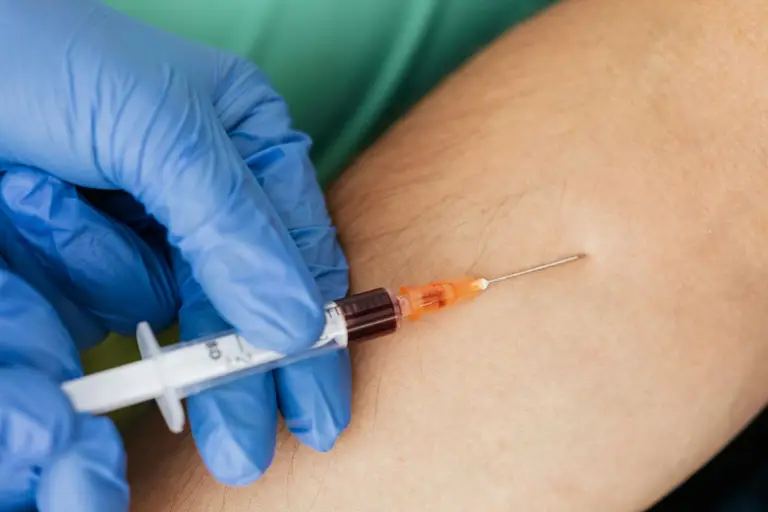
Test timing can make testosterone look higher than your usual baseline. Testosterone tends to be highest in the morning, and results can also shift with stress, fasting, poor sleep, illness, and training load.
For comparison over time, test at the same time of day, usually in the morning, and interpret the result with SHBG, free testosterone, LH, and FSH.
4. Your Body Is Making Too Much Testosterone
Adrenal or testicular hormone production can cause persistently high testosterone even without TRT. This is less common than supplements or timing, but it matters because it can require imaging and specialist evaluation.
Sometimes, your body can make too much testosterone on its own. This might happen if there is a small tumor in your testicles or adrenal glands.
One type is called a Leydig cell tumor. These tumors are usually benign, but they can release extra testosterone into your bloodstream. Most people will not notice anything unusual. There may be no pain or lump. However, the extra testosterone can show up on a blood test or lead to mood changes, skin issues, or fertility problems.
These tumors are rare, but a doctor can evaluate for them with an ultrasound or imaging scan. If one is detected, it can often be removed with surgery.
5. You Have a Genetic or Hormonal Condition
Congenital adrenal hyperplasia, or CAH, is a genetic hormone condition that can raise androgen levels. It affects how the adrenal glands make cortisol and related hormones.
People with CAH don’t produce enough cortisol, which is the stress hormone. To make up for it, the adrenal glands end up producing extra androgens, like testosterone, instead.
Some people do not realize they have CAH until they get tested, particularly if symptoms are mild. Over time, it can contribute to fertility issues, early puberty, or higher blood pressure. Treatments are available to help manage hormone levels if CAH is the cause.
Signs Your Testosterone Might Be Too High

High testosterone can cause skin, mood, hair, fertility, and body-composition changes, but symptoms do not prove the cause. Labs are needed to confirm whether total testosterone, free testosterone, or another androgen is elevated.
Possible high testosterone symptoms include:
-
Acne or oily skin
-
Unexplained irritability or mood swings
-
Excess body or facial hair
-
Male pattern baldness
-
Increased muscle mass or strength
-
Lower sperm count or infertility
-
Shrunken testicles
-
Breast tissue growth (gynecomastia)
Some of these can be easy to miss or attribute to other causes. If several appear together, confirm the hormone pattern with testing.
Risks of Very High Testosterone
Very high testosterone can increase health risks when the elevation is persistent or driven by outside hormones, adrenal disease, testicular disease, or another untreated cause.
Here are some risks associated with chronically high testosterone:
-
Enlarged prostate and a higher chance of prostate cancer
-
Thicker blood (polycythemia), which can lead to clots, heart attack, or stroke
-
Infertility because of reduced sperm production
-
Mood issues, like increased aggression or anxiety
-
Strain on the liver and kidneys, especially with synthetic hormone use
These problems might start off subtle but can worsen over time if not addressed.
What Should You Do Next?

If testosterone is high and you are not on TRT, confirm the result first. Then compare total testosterone, free testosterone, SHBG, LH, FSH, estradiol, DHEA-S, and cortisol to see whether the pattern points to test timing, supplements, adrenal signaling, or testicular signaling.
1. Confirm Your Results
If you had a one-off high testosterone blood test result, retest in the morning and include these markers:
-
Total testosterone
-
Free testosterone
-
LH (Luteinizing Hormone) and FSH (Follicle-Stimulating Hormone), which show how your brain is signaling your testes
-
SHBG and estradiol, which affect how much testosterone is active
At Mito Health, our advanced hormone blood panel includes these markers to help you see the full picture.
2. Talk to Your Doctor
High testosterone is not always dangerous, but persistent or very high results should not be interpreted alone. Your doctor can help determine whether the pattern fits supplements, timing, overtraining, medication exposure, adrenal hormone production, testicular hormone production, or another hormone imbalance.
3. Review Supplements and Lifestyle
If you are using testosterone boosters, DHEA, SARMs, anabolic steroids, or testosterone treatment, tell your clinician before retesting. Do not stop a prescribed therapy without medical guidance.
Training, sleep, stress, diet, fasting, and illness can all affect results. Keep these conditions similar when comparing one testosterone test with another.
Why Paying Attention to Your Testosterone Levels Matters
High testosterone without TRT matters because the cause can range from a benign timing issue to a condition that needs medical evaluation.
Whether it is from supplements, an underlying issue, or a rare tumor, the best next step is to confirm the result and interpret it with related hormone markers. At Mito Health, we offer comprehensive blood tests and clear insights on over 100 important biomarkers, including testosterone, SHBG, estradiol, and more.