
Before The Scale Moves: How Visceral Fat Affects Healthspan
Visceral fat hides around your organs and drives risk long before the scale moves. Learn what it is, why it matters, and how to reduce it for better health.
If body fat were simple, your mirror would tell you everything. The problem is the most harmful fat isn’t the kind you can grab at your waist.
Visceral fat wraps around organs like the liver, pancreas, intestines, and even the heart. It is metabolically active and sends inflammatory signals into circulation, which is why it tracks closely with cardiometabolic risk and early mortality.
The Fat You Can’t Pinch
Subcutaneous fat sits under the skin. Visceral adipose tissue lives inside the abdominal cavity. Because of its location and blood supply, visceral fat can bathe the liver and other organs in free fatty acids and inflammatory factors, pushing insulin resistance, dyslipidemia, and vascular dysfunction.
This mechanism is often described through the “portal” and related models that explain why deep abdominal fat has outsized effects compared with the same weight of subcutaneous fat.
A special case is epicardial fat, which hugs the heart and coronary arteries. Excess epicardial fat correlates with adverse cardiac structure and function and is increasingly used as a risk marker.
Why Visceral Fat Is So Dangerous
Visceral fat does more than store energy. It secretes cytokines, alters lipid handling, and promotes a chronic low-grade inflammatory state that damages vessels and organs.
People with high visceral fat carry more “residual” cardiovascular risk even after traditional numbers improve. In younger and middle-aged adults, higher abdominal visceral fat area links to greater all-cause mortality, likely through these metabolic complications.
That epicardial layer is a double hit. It sits millimeters from coronary arteries, can become inflamed, and tracks with plaque features and cardiac dysfunction. Reducing visceral and epicardial fat improves the environment those arteries live in.
How Visceral Fat Builds Up
You can be “normal weight” on a scale yet accumulate deep fat inside the abdomen. Genetics, hormones, chronic stress, poor sleep, ultra-processed foods, sedentary time, and alcohol all tilt energy storage toward the viscera.
Over time, the liver becomes a fat depot, the gut drains more fatty acids to the portal vein, and the combination nudges insulin resistance forward. The tricky part: visceral fat often climbs for years before the bathroom scale budges.
How to tell if visceral fat might be high
There isn’t a perfect at-home test, but a few patterns raise suspicion: a growing waist relative to hips, rising fasting glucose or triglycerides with low HDL, hard abdominal fullness rather than soft pinchable fat, and poor exercise tolerance.
How To Reduce Visceral Fat
Think “metabolic pressure relief.” You’re trying to lower inflammatory signaling, improve insulin action, and encourage fat to leave the deep depot first.
-
Make meals friendlier to insulin
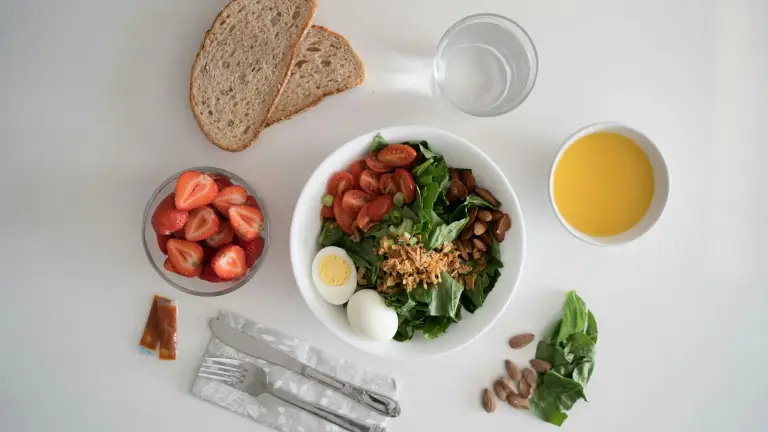
Build plates around protein, colorful produce, and fiber-rich carbs. Aim for steady meals that minimize large glucose spikes.
Over time this shifts storage away from the liver and abdomen. Many people find a slight calorie deficit with higher protein and fiber trims visceral fat faster than scale weight suggests.
-
Train your muscles and move more between workouts
Resistance training preserves and builds lean mass, which raises insulin sensitivity. Add brisk walking, cycling, or intervals to tap into deep fat stores. Even small increases in daily steps chip away at visceral fat by improving fatty acid handling.
-
Sleep like it matters
Short or inconsistent sleep increases hunger signals and reduces insulin sensitivity the next day. Protect a regular sleep window to nudge metabolism in your favor.
-
Tame liquid calories and alcohol
Sugary drinks and frequent alcohol push liver fat and worsen triglycerides. Swapping them for water or unsweetened options is one of the fastest wins for the abdomen you can’t see.
Final Word
Visceral fat hides deep and quietly strains metabolism, vessels, and the heart long before the bathroom scale notices.
The fix isn’t a trick. It’s steady, protein-forward meals with fiber, fewer liquid calories, more muscle, more movement, and protected sleep.
Stay with it and the hard-to-see fat is usually the first to give way.