
TSH Levels: Normal Ranges by Age & What Results Mean
Understand your TSH blood test results with normal ranges by age and pregnancy. Learn what high or low TSH means and when to take action.
Last updated: August 17, 2026

TSH is a pituitary hormone that helps show whether your thyroid is being asked to make more or less thyroid hormone. A high TSH often points toward an underactive thyroid pattern. A low TSH often points toward an overactive thyroid pattern.
A TSH blood test is usually interpreted with symptoms, medications, age, pregnancy status, and related thyroid markers such as free T4, free T3, and thyroid antibodies. TSH is useful, but it is not the whole thyroid picture by itself.
What Is TSH and Why Does It Matter?
TSH, short for thyroid-stimulating hormone, is the pituitary signal that tells the thyroid gland how hard to work. It is also called thyrotropin.
TSH tells your thyroid to produce and release thyroid hormones, specifically T3 (Free Triiodothyronine) and T4 (Free Thyroxine). These hormones control how your body uses energy, support brain and heart function, and regulate temperature, digestion, and mood.
When your thyroid hormones are low, the pituitary sends out more TSH to jumpstart production. When they’re high, it slows things down. This feedback loop is called the hypothalamic-pituitary-thyroid (HPT) axis.
Because TSH responds to this feedback loop, it is often the first thyroid marker checked when symptoms suggest hypothyroidism or hyperthyroidism.
TSH Levels Explained
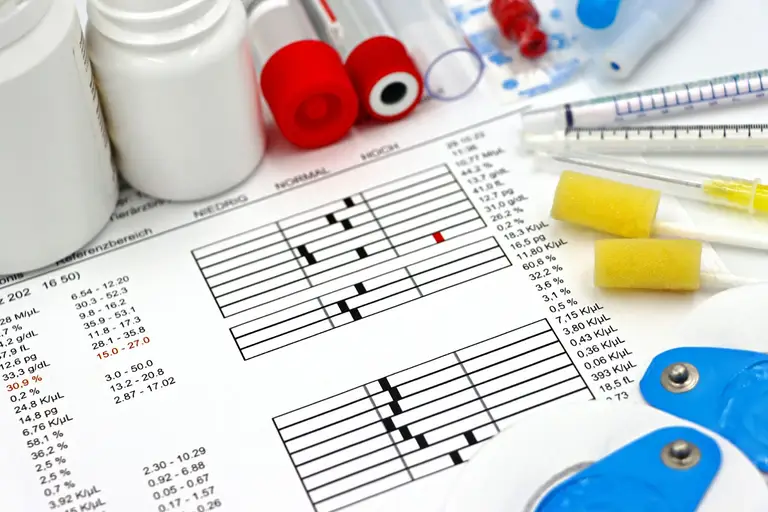
For many non-pregnant adults, a typical TSH reference interval is roughly 0.4 to 4.5 mIU/L. Your own laboratory’s reference interval matters most because ranges vary by lab, age, pregnancy status, and clinical context.
A TSH blood test measures how much of this hormone is circulating in your blood. It is one of the most common screening tools for checking thyroid dysfunction. Mito Health includes TSH testing in its core lab panels because of how central it is to metabolic health.
Here is a quick breakdown:
-
Adults (21 to 50 years): 0.5 to 4.1 mIU/L
-
Older adults (70+ years): May run slightly higher and still be normal
-
Pregnancy: TSH is typically lower in the first trimester, then gradually rises
Low TSH Levels
Low TSH usually means the pituitary is reducing its thyroid signal because thyroid hormone levels may be high. A low result is often associated with hyperthyroidism, thyroid medication overuse, or thyroid inflammation.
Low TSH is often below about 0.4 mIU/L, but your laboratory’s lower limit should be used for your own result.
Common causes:
-
Graves’ disease (autoimmune)
-
Thyroid nodules or inflammation
-
Overuse of thyroid medication
Symptoms may include:
-
Anxiety or nervousness
-
Racing heart or palpitations
-
Weight loss despite normal eating
-
Heat intolerance
-
Tremors or shakiness
If untreated, low TSH and excess thyroid hormones can lead to complications, including heart problems and bone loss.
High TSH Levels
High TSH usually means the pituitary is sending a stronger signal because thyroid hormone levels may be low. A high result is often associated with hypothyroidism, Hashimoto’s thyroiditis, thyroid surgery, radiation, iodine imbalance, or certain medications.
High TSH is often above about 4.5 mIU/L, but your laboratory’s upper limit should be used for your own result.
Common causes:
-
Hashimoto’s thyroiditis (autoimmune)
-
Thyroid surgery or radiation
-
Iodine deficiency or excess
-
Certain medications like lithium and amiodarone
Symptoms often include:
-
Fatigue and brain fog
-
Weight gain
-
Dry skin and thinning hair
-
Constipation
-
Depression or low mood
-
Feeling cold all the time
Persistently high TSH can be associated with cholesterol issues, fertility problems, and higher cardiovascular risk, especially when thyroid hormone levels are also low.
How TSH Affects Your Metabolism

TSH affects metabolism indirectly because it regulates thyroid hormone production. Thyroid hormones influence cholesterol handling, glucose regulation, heart rate, body temperature, digestion, and energy use.
Thyroid hormones play a major role in your body’s metabolic regulation. They influence how efficiently you process cholesterol, glucose, and stored fat. Since TSH controls the production of thyroid hormones, changes in TSH levels ripple across many metabolic systems.
When TSH levels are abnormal, here’s what can happen:
-
High TSH or hypothyroidism is linked to increased total cholesterol, LDL cholesterol, and triglycerides. Low thyroid hormone levels can reduce how effectively your liver clears lipids from the bloodstream.
-
Low TSH or hyperthyroidism can drive cholesterol levels unusually low. That can be a red flag for excessive metabolic activity and may contribute to muscle loss or cardiac stress.
TSH imbalances also influence how your body responds to insulin. High TSH has been associated with insulin resistance, impaired glucose metabolism, and a higher risk of type 2 diabetes. This happens because thyroid hormones help regulate glucose uptake, gluconeogenesis, and insulin sensitivity.
Keeping Your TSH in Balance

Keeping TSH in range starts with confirming the pattern and identifying the cause. Food, sleep, and exercise can support thyroid health, but medication, autoimmune disease, pregnancy, and iodine status can change what the right next step looks like.
1. Regular Testing
Repeat TSH testing is useful when symptoms, medication changes, pregnancy, or a prior abnormal result make thyroid status unclear. Related markers such as free T4, free T3, thyroid peroxidase antibodies, and thyroglobulin antibodies can help explain why TSH is high or low.
Mito Health offers convenient testing for TSH and related markers like free T3, free T4, and thyroid antibodies.
2. Smart Nutrition
Thyroid hormone production depends on nutrients such as iodine, selenium, zinc, iron, vitamin A, and vitamin D. More is not always better, especially with iodine, so nutrition should match your diet, labs, and symptoms.
Key nutrient sources include:
-
Iodine (seaweed, fish, iodized salt)
-
Selenium (Brazil nuts, eggs)
-
Zinc (meat, pumpkin seeds)
-
Iron, Vitamin A, Vitamin D
3. Lifestyle Support
-
Exercise regularly to support metabolism and cardiovascular health
-
Get quality sleep
-
Manage stress to avoid hormone disruption
-
Avoid environmental toxins that interfere with hormone balance
4. Medical Treatment
Medication decisions depend on whether the pattern points to hypothyroidism, hyperthyroidism, a medication effect, pregnancy-related thyroid change, or another cause. Thyroid hormone replacement such as levothyroxine or antithyroid medication may be needed in some cases.
Work with your doctor to determine the right approach for your result pattern.
TSH and Your Health
TSH is a useful first-line thyroid marker because it reflects the signal between the pituitary gland and the thyroid gland. High or low TSH can affect energy, weight, mood, heart rhythm, cholesterol, fertility, and temperature regulation.
With repeat blood testing and individualized care, many thyroid issues can be identified and managed effectively.
If you’re wondering what your symptoms mean or want to track your TSH levels over time, Mito Health makes it simple to test and take action with our comprehensive blood panel.
Resources
-
https://www.nhs.uk/conditions/underactive-thyroid-hypothyroidism
-
https://www.nhs.uk/conditions/overactive-thyroid-hyperthyroidism
-
https://www.ifm.org/articles/balancing-thyroid-hormones-naturally
TSH Reference Ranges by Life Stage
Reference intervals vary by lab, age, and physiologic state. Pregnancy-specific interpretation is especially important.
Group | Common clinical target range | Notes |
|---|---|---|
Non-pregnant adults | ~0.4 to 4.0 mIU/L | Lab-specific ranges apply |
Older adults | Often slightly higher acceptable upper range | Interpret in full clinical context |
Pregnancy trimester 1 | Lower upper threshold than non-pregnant range | Maternal-fetal thyroid demand changes |
Pregnancy trimester 2 | Intermediate range | Monitor with free T4/T3 when indicated |
Pregnancy trimester 3 | Intermediate to higher than T1 | Use local obstetric endocrine guidance |