The Overlooked Electrolyte: What is Potassium and How to Get Enough?
Potassium steadies nerves, muscles and blood pressure. Learn the signs of low potassium and a practical plan to restore healthy levels with food or supplements.

Potassium is an electrolyte that carries tiny electrical charges so nerves can fire and muscles can contract.
About 98% of your body’s potassium lives inside cells, which is why a small change outside cells can have big effects on rhythm, energy and mood.
Potassium’s Role in Our Bodies

Potassium and sodium work like partners across every cell membrane. Sodium dominates outside the cell. Potassium dominates inside.
That difference creates a voltage that lets nerves send impulses and muscles squeeze on command. It also helps keep fluid in the right place so cells neither shrink nor swell.
When potassium intake is steady, you get reliable heartbeat timing, regular bowel movement and muscles that respond when asked.
Most of your potassium sits in muscle and other tissues. Only a sliver floats in the blood.
Textbook physiology puts roughly 98% inside cells, which is why a normal blood reading does not always prove total stores are healthy.
Potassium for Cardiovascular Health
Higher potassium intake helps your kidneys waste extra sodium, which can lower blood pressure. Populations that eat more potassium-rich foods often show fewer strokes.
What Low Potassium Looks and Feels Like
Because blood levels can stay near normal while tissues run low, symptoms matter. Common early clues include:
-
Muscle cramps or twitching
-
Fatigue and low physical power
-
Constipation or sluggish digestion
-
Palpitations or a sense that your heartbeat is off
-
Increased thirst or more frequent urination in some people
These signs overlap with other issues, which is why you look for patterns that persist for a few weeks, not a single bad day.
Why Potassium Runs Low
-
Low produce intake. Vegetables, beans and fruit drive most dietary potassium. Skipping them creates a quiet deficit over time.
-
Diuretics and losses. Some blood pressure pills make you waste potassium in urine. Stomach flu and chronic vomiting or diarrhea do the same.
-
High salt diet without enough potassium. The imbalance matters as much as absolute intake. Mechanistic work shows that low potassium itself can flip kidney switches that retain sodium and raise blood pressure.
-
Very high water intake without electrolytes during long workouts or heat waves. Dilution can nudge levels down.
What Happens Inside Cells
Nerve and muscle cells depend on potassium to reset after each electrical impulse. When potassium dips, that reset slows.
Muscles feel heavy. Bowels move less. The heart’s timing gets touchy.
At the kidney, low potassium activates transporters that hold on to sodium, which can push blood pressure up even if you are not chasing the salt shaker.
How to Raise Potassium
No, you do not need 12 bananas.
Make produce automatic
Center meals on potassium-dense plants. Good choices include beans, lentils, potatoes with skin, squash, tomatoes, spinach, kale, avocados and citrus. Rotate them through bowls, soups and sheet pan meals so the habit sticks.
Balance salt
Keep sodium sensible and let potassium do its job. Cook more at home. Taste before salting. Lean on herbs and acids like lemon to boost flavor without pouring on sodium. Diets richer in potassium and lower in salt tend to track with better blood pressure.
Rehydrate with purpose
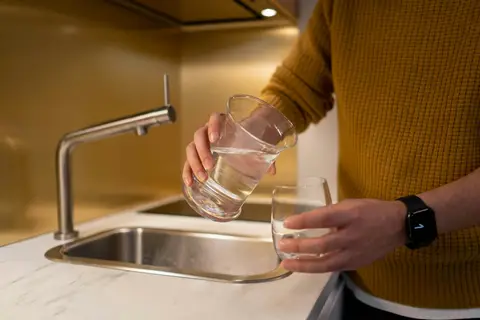
After long workouts or heavy sweating, use water plus food or a light electrolyte mix rather than plain water alone. This guards against dilution and helps muscles recover.
Final Word
Potassium keeps your nerves firing, your muscles responsive and your blood pressure steady. When intake falls or losses rise, you feel it as cramps, constipation and low power.
Build plates around potassium-rich plants, keep salt sane and rehydrate with some intention.
Small steady changes beat quick fixes and return this quiet mineral to the level where you feel like yourself again.