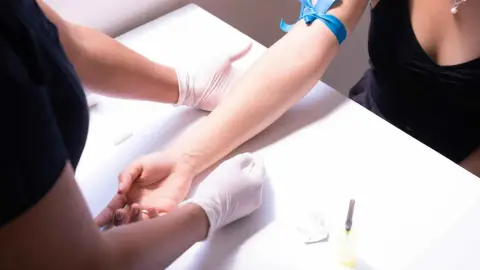
High Levels of Exercise Linked to Nine Years of Less Aging
How regular vigorous exercise can turn back your biological clock

Staying active is good for your heart, lungs, muscles—and it might just help you age more slowly at the cellular level. A major study from Brigham Young University found that people who work out regularly at high intensity can have cells that look almost nine years younger than those who don’t exercise much.
That’s not just about feeling younger. That change happens deep in your cells—specifically in something called telomeres. These little caps help decide how quickly your body ages.
What Are Telomeres—and Why Do They Matter?
Your chromosomes, which carry your DNA, are capped by protective ends called telomeres. Think of them like the plastic tips on shoelaces that keep them from fraying. Each time your cells divide, telomeres get shorter. When they get too short, cells can no longer function properly. That’s when aging and disease start speeding up.
Short telomeres are linked to heart disease, diabetes, cancer, and cognitive decline. They’re also considered one of the best biomarkers for biological aging—how old your cells are, regardless of your actual age.
The Study: Exercise and Longevity Linked
Researchers looked at data from almost 6,000 adults who shared how much they exercised. Then, they checked how that lined up with the length of their telomeres—the protective caps at the end of our DNA.
Here’s what they found:
-
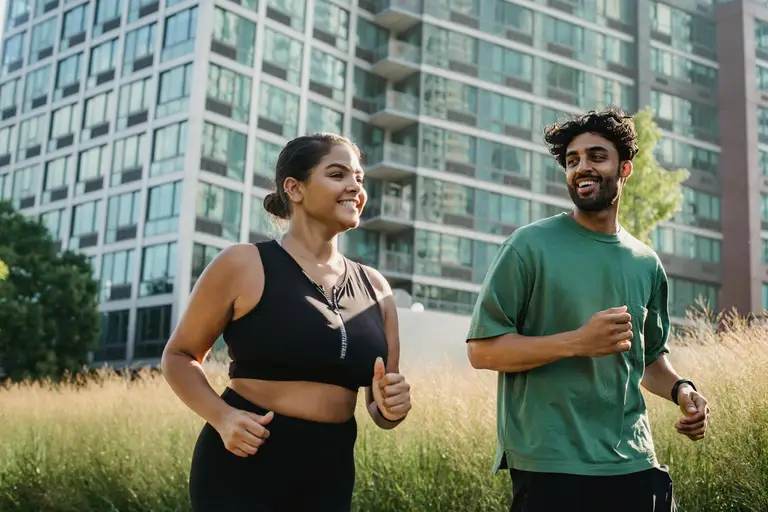
Adults who exercised at high levels—defined as jogging 30 minutes (women) or 40 minutes (men), five days a week—had the longest telomeres.
-
This group was biologically 9 years younger than sedentary people, and 7 years younger than those who were moderately active.
-
People with low or moderate activity had no significant difference in telomere length compared to sedentary individuals.
What’s clear is that to protect your cellular age, you need to move more and with intensity.
How Exercise Protects Your Cells
Exercise influences multiple systems in your body that all play a role in cellular aging. Here’s how it helps:
-
Reduces Oxidative Stress: Exercise enhances your body’s antioxidant defenses, which help neutralize free radicals or molecules that damage DNA and speed up telomere shortening.
-
Stops Inflammation: Chronic low-grade inflammation (a.k.a. inflammaging) is a known driver of aging. Regular movement lowers inflammatory markers in the blood, supporting long-term cellular health.
-
Boosts Telomerase: This enzyme helps rebuild telomeres. Studies show aerobic exercise increases telomerase activity, giving your cells the tools to repair their own DNA.
-
Supports Mitochondrial Function: Your mitochondria produce energy but also generate free radicals when they’re not working efficiently. Exercise improves mitochondrial health, reducing oxidative damage to telomeres.
Not All Movement Has the Same Impact

This research reveals a key takeaway: intensity matters. Moderate or light activity didn’t make a difference in telomere length.
The most benefit came from:
-
Aerobic activity like jogging or running
-
Vigorous intensity, where you’re breathing hard and can’t say more than a few words
-
Consistency, at least five days a week
Even resistance training has some telomere-protective effects. Another study found that about 90 minutes of strength training per week was linked to nearly four years of reduced biological aging. While it may not match the benefits of cardio, it still supports longevity and muscle health.
Even if you’re not hitting the vigorous activity mark every week, movement still delivers major wins, especially on your metabolic health:
-
Stronger heart and lower blood pressure
-
Better brain function and memory
-
Improved mood and lower anxiety
-
Higher energy and better sleep
-
Reduced risk of diabetes, cancer, and early death
What This Looks Like in Real Life
To match the study’s definition of “high levels of exercise,” aim for 75 to 150 minutes of vigorous aerobic activity per week. It could be running, swimming laps, or cycling fast. Spread those workouts across at least 3 to 5 days. Don’t forget to include strength training at least 2x a week.
You don’t have to run marathons. But to gain the anti-aging advantage, you do need to push yourself regularly.
Track How You’re Aging on the Inside
Exercise is one of the most powerful tools you have, but to know it’s working, you need to see what’s happening inside your body.
At Mito Health, we offer comprehensive blood testing for fitness and longevity biomarkers so you can track your biological age and make informed choices. Our testing covers markers related to:
-
Muscle performance, such as creatine kinase and testosterone
-
Chronic inflammation, like hs-CRP and homocysteine
-
Oxidative stress and mitochondrial function
-
Metabolic and [hormone balance
](/biomarkers/sex-hormone-binding-globulin-shbg)
These are just some of the markers that can give you a clearer picture of how your workouts, nutrition, and recovery are shaping your long-term health.
Train for Longevity, Not Just Looks
High levels of physical activity do more than burn calories. They help preserve the parts of you that matter most: your cells, your energy systems, your DNA.
The sooner you start, the more you gain. So jog, swim, lift, dance—just get moving. And to track how it’s working, let Mito Health be your partner in measuring, optimizing, and supporting your body’s internal longevity.
Related Articles
Resources
-
https://www.sciencedirect.com/science/article/abs/pii/S0091743517301470
-
https://www.who.int/initiatives/behealthy/physical-activity
-
https://www.cdc.gov/physical-activity/features/boost-brain-health.html
-
https://news.byu.edu/news/high-levels-exercise-linked-nine-years-less-aging-cellular-level
-
https://doi.org/10.3389/fphys.2025.1627292