Atherosclerosis: The Silent Killer Blocking Your Arteries
Atherosclerosis is a silent arterial disease that can lead to heart attack or stroke. Learn symptoms causes and proven ways to lower risk and treat it.
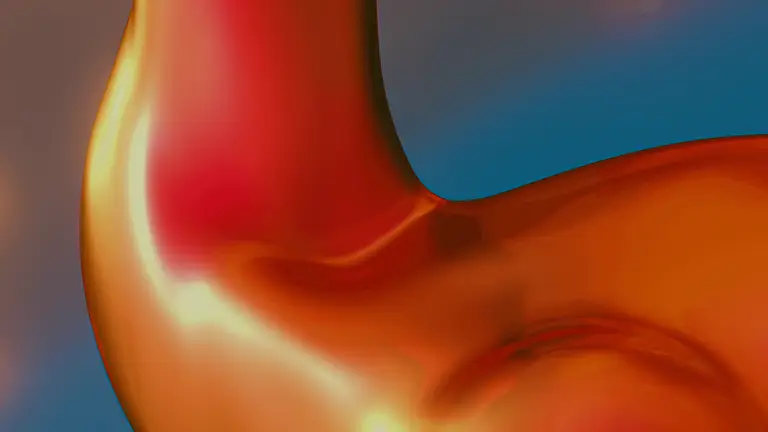
Atherosclerosis is plaque buildup inside artery walls and plaque is a mix of fats, cholesterol, calcium and other materials.
As it grows, arteries narrow and stiffen, and less blood reaches the heart, brain and limbs.
Plaque can also rupture and form a clot that suddenly blocks flow. That is why atherosclerosis drives heart attacks and strokes, often without warning.
Why It’s Dangerous
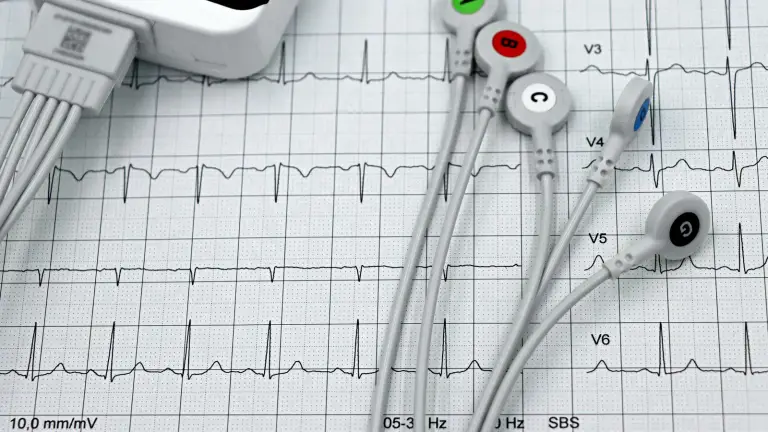
Atherosclerosis often develops silently, showing no signs until the arteries are significantly narrowed or blocked. When symptoms do appear, they depend on which arteries are affected.
Blockages in the coronary arteries can lead to chest pain, shortness of breath, or even a heart attack.
If the arteries leading to the brain are involved, individuals may experience sudden weakness, slurred speech, or loss of coordination, which are warning signs of a potential stroke.
In the legs or arms, poor circulation can cause pain, numbness, or coldness, especially during physical activity.
Atherosclerosis in the arteries supplying the kidneys may lead to high blood pressure or even kidney failure.
These symptoms should never be ignored, as they usually signal advanced disease.
How Does It Affect Your Arteries?
Atherosclerosis starts with injury to the endothelium, the inner lining of the artery.
LDL particles slip beneath that lining, white blood cells arrive to clean up, and foam cells form. Over time fatty streaks become fibrous plaque that narrows the lumen.
The real danger is rupture. A thin-capped plaque can split open. Blood clots at the site and blocks the artery, which triggers a heart attack or ischemic stroke.
The Dangers of Ignoring Atherosclerosis
The most dangerous aspect of atherosclerosis is its ability to remain hidden until it causes life-threatening complications.
Arteries that are partially blocked may suddenly rupture, releasing plaque fragments that trigger the formation of a blood clot. This clot can completely block blood flow, resulting in a heart attack, stroke, or sudden death.
Even without a catastrophic event, ongoing restriction of blood flow places continuous stress on organs and tissues, leading to chronic conditions such as kidney disease, dementia, or peripheral artery disease.
Allowing atherosclerosis to progress unchecked raises the risk of multiple organ failure and significantly shortens lifespan.
How Atherosclerosis Is Treated
Treatment for atherosclerosis focuses on slowing disease progression, restoring circulation, and reducing the risk of serious events like heart attacks or strokes.
care team lead may prescribe medications to lower cholesterol, control blood pressure, or prevent blood clots from forming. In more advanced cases, surgical procedures such as angioplasty or bypass surgery may be necessary to restore blood flow to affected areas.
However, medical treatment alone is not enough. Lifestyle changes remain the foundation of managing atherosclerosis effectively.
Lifestyle Changes to Manage Atherosclerosis
Adopting a heart-healthy lifestyle can significantly reduce the burden of atherosclerosis and sometimes even reverse early damage.
A diet centered on whole foods, such as fruits, vegetables, lean proteins, legumes and healthy fats, helps reduce inflammation and lowers cholesterol levels.
Regular physical activity improves circulation, boosts “good” HDL cholesterol, and strengthens the cardiovascular system, while also supporting healthy weight management.
Stress reduction techniques, including meditation, breathwork, and spending time in nature, can lower cortisol levels and reduce the harmful impact of chronic stress on the arteries.
Just as importantly, avoiding smoking and limiting alcohol consumption drastically reduces the strain on the vascular system.
Final Word
Atherosclerosis may be a silent condition, but it is not an inevitable fate.
By recognizing its warning signs early, understanding its dangers, and taking proactive steps through medical care and lifestyle changes, individuals can dramatically reduce their risk of heart attack, stroke and other complications.
Protecting your arteries is ultimately about protecting your life, and the choices you make today can determine your long-term health and longevity.
Related Articles
-
4 Pillars to Reduce Your LDL Levels and Prevent Heart Disease
-
Your Cholesterol Levels by Age: Are You on Track or at Risk?